

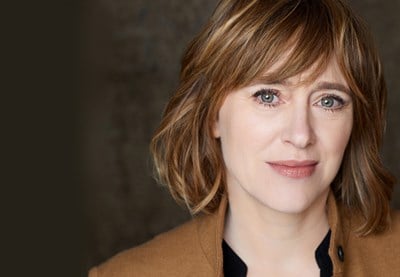
"Rebecca Lowman brings layers of meaning to the complex characters she portrays."




Recent audiobooks
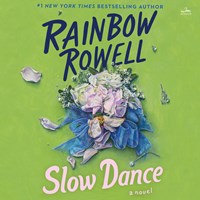
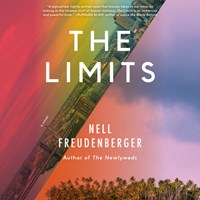

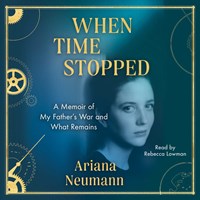






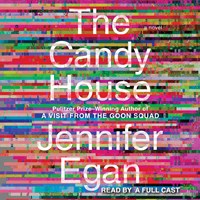
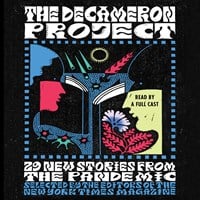

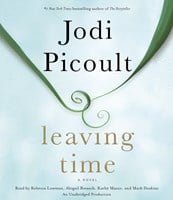
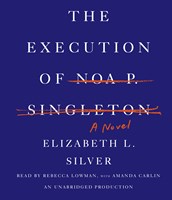
Rebecca's Accolades
The Limits AudioFile Best of 2024 Fiction
Under a White Sky AudioFile Best of 2021 Non-Fiction & Culture
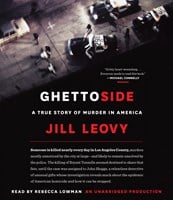
Ghettoside: A True Story of Murder in America Audie Award 2016
Leaving Time AudioFile Best of 2014 Fiction
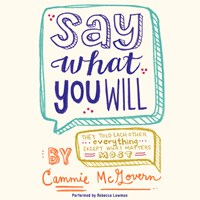
Say What You Will AudioFile Best of 2014 Young Adult
The Girls from Corona del Mar AudioFile Best of 2014 Fiction
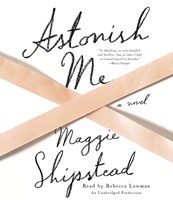
Astonish Me AudioFile Best of 2014 Fiction
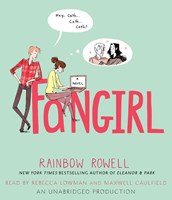
Fangirl AudioFile Best of 2013 Young Adult
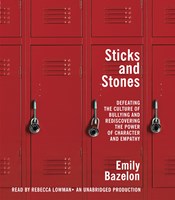
Sticks and Stones: Defeating the Culture of Bullying and Rediscovering the Power of Character and Empathy AudioFile Best of 2013 Personal Growth
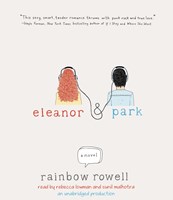
Eleanor & Park AudioFile Best of 2013 Young Adult
Podcasts
Videos
Talking with Rebecca Lowman
Narrator Rebecca Lowman brings layers of meaning to the complex characters she portrays. In Rainbow Rowell's ELEANOR & PARK, for example, the deeply injured Eleanor endures an abusive situation, keeping it hidden from others. Lowman infuses Eleanor's snarky reactions with the wounds that generate them. She believes this type of understanding begins during the first reading of a story she plans to narrate. "Every book is written from a certain place, and if you get that place wrong, you're going to get the book wrong." As Lowman reads, she seeks emotional connection with the book by exploring the author's tone more fully than the characters' dialogues. "It's my job to capture the author's intent, and the voice is the most, maybe the only, important thing. As I read the prose, I listen for what's not being said in the richness of what is being said."
Lowman attributes this approach, in part, to all she's learned from acting training and more than a decade of experience in film, television, and stage. "No one is ever doing just one thing at a time. There's always so much going on. That complexity is how you bring someone to life. As far back as college, I began to understand that the job of an actor is to take everything away. Your job is revealing, not putting on."
One of Lowman's great strengths is the way she reveals a character's vulnerability. "No matter who I'm playing, how tough they are--vulnerability is a part of them. Everyone who's a human being is afraid, killable, and in some place feels very small."
In five years of narration, Lowman has performed single, dual, and multiple narrations. By nature a collaborator, she feels multiple narrators can give listeners different perspectives. She doesn't meet her fellow actors and seldom records with them. "But when it's working right, the narration sounds so seamless that the listener feels the actors are sitting in the same room together--that there's some connection between them. That magic is created by the book."
Lowman's career as a narrator may have begun in first grade, when she was upset that she wasn't the only one who got to read aloud. "I wanted that to be my class job, like cleaning the blackboards." She found consolation when her mother let her read CHARLOTTE'S WEB aloud at bedtime. "My mom's a pretty good reader, but at 6, I guess I thought she wasn't good enough. I wanted to take control." Lowman has no memory of how long these read-aloud sessions took. "They were probably much more of a sacrifice than I even knew."
Or maybe not. If Lowman's gifts had only a bit of what she brings to the audiobooks she now records, her mother may have been her first lucky listener.--Susie Wilde
Photo © Jeff Lorch
Photo courtesy of narrator