
Play ball! Sports audiobooks put listeners in the middle of the action and take us behind the scenes. Learn what it takes to be an elite athlete and hear inspiring stories of how playing sports can change lives.


Sports Audiobooks
Share This
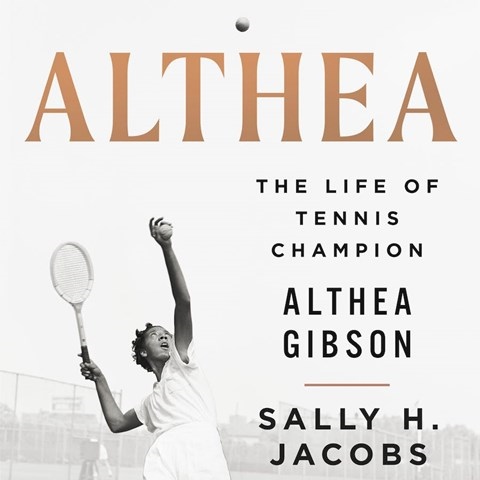
ALTHEA The Life of Tennis Champion Althea Gibson
by Sally H. Jacobs | Read by Chanté McCormick
Macmillan Audio
Biography & MemoirChanté McCormick rises to the challenge of narrating Jacobs's comprehensive biography of Althea Gibson with grace, energy, and a rich voice. Gibson charted a host of firsts. She was the first Black tennis player to win Wimbledon and the US Open--and to be ranked Number 1 in the world. She was also the first Black player in the Ladies Professional Golf Association. These... Read More
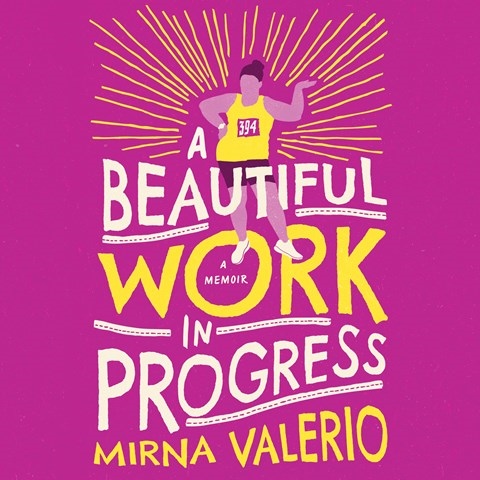
A BEAUTIFUL WORK IN PROGRESS
by Mirna Valerio | Read by Mirna Valerio
Brilliance Audio
Biography & MemoirRunner Mirna Valerio reads her memoir with the steady pace and cheerful spirit she brings to her ultra-marathons and 50k races. Her enthusiasm is palpable as she shares her story, which winds from her early days of discovering the joys of being an athlete to dire warnings she received when she was neglecting her health and then to her dedication and triumphs on the trail. She... Read More
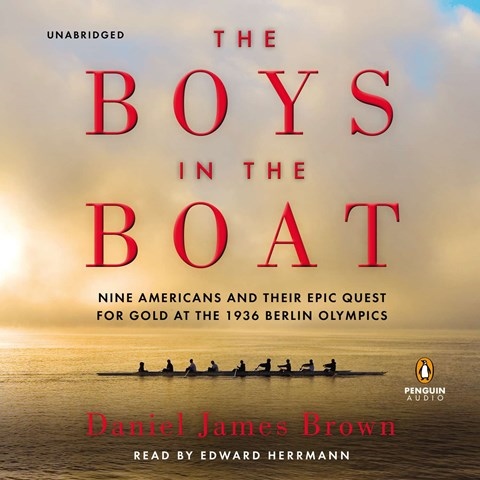
THE BOYS IN THE BOAT Nine Americans and Their Epic Quest for Gold at the 1936 Berlin Olympics
Earphones Award Winner
by Daniel James Brown | Read by Edward Herrmann
Penguin Audio
HistoryWhen you have an author who writes with enthusiasm about a topic as arcane as competitive rowing and a narrator of the caliber of Edward Herrmann, the result is a fun and compelling work. There’s action and drama, particularly when the story moves to the 1936 Berlin Olympics and the American crew’s unexpected but well-earned gold medal. But it’s in the details of the sport... Read More
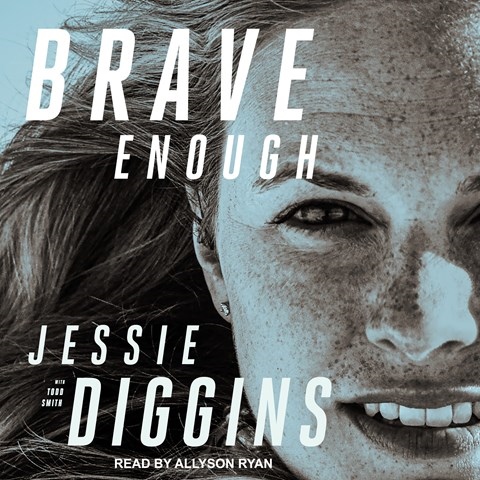
BRAVE ENOUGH
Earphones Award Winner
by Jessie Diggins, Todd Smith | Read by Allyson Ryan
Tantor Media
Biography & MemoirNarrator Allyson Ryan has found that magical spot that makes listeners forget they're not listening to a memoir read by its author. In this audiobook, elite cross-country skier Jessie Diggins shares the details of her life--from growing up in rural Minnesota to standing on the podium in Pyeongchang, South Korea, to accept the United States' first ever Olympic Gold Medal in... Read More
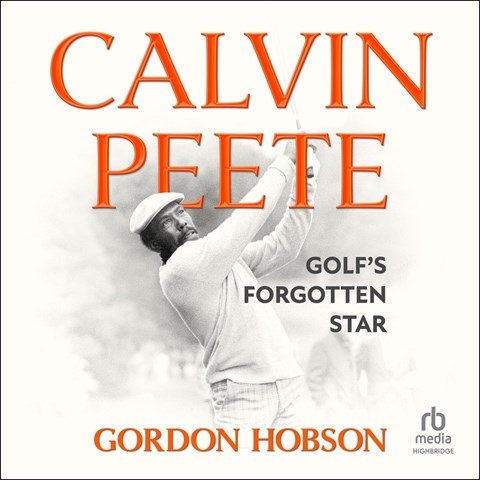
CALVIN PEETE Golf's Forgotten Star
by Gordon Hobson | Read by Jaime Lincoln Smith
HighBridge Audio
Biography & MemoirJaime Lincoln Smith skillfully narrates this long overdue biography. Smith's relaxed pacing, rich tone, and understated swagger embody Calvin Peete, one of the best Black golfers in history. This fascinating audiobook takes listeners from Peete's early days as the child of migrant laborers with limited opportunities for education to his incredible success in the PGA despite his... Read More
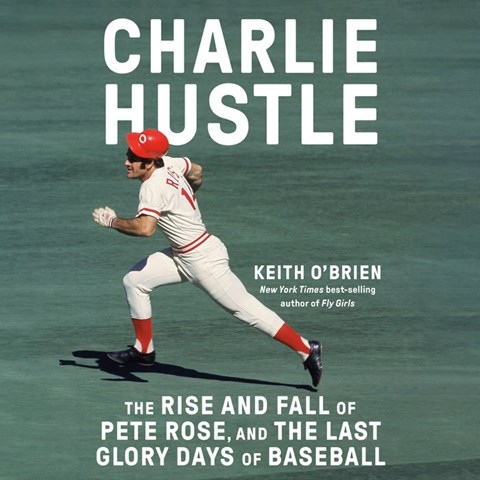
CHARLIE HUSTLE The Rise and Fall of Pete Rose, and the Last Glory Days of Baseball
by Keith O'Brien | Read by Ellen Adair, Keith O'Brien
Random House Audio
Biography & MemoirEllen Adair handles this biography of Pete Rose beautifully, with clear enunciation and pronunciation, letting the rich and troubled life of baseball's all-time hits leader stand for what it is. Rose was a homegrown Cincinnati guy who went on to star for the Reds. But his off-field pursuits--gambling, an extramarital affair, and a lack of solid friendships--mar his legacy.... Read More

FOOTSTEPS OF FEDERER A Fan's Pilgrimage Across 7 Swiss Cantons in 10 Acts
Earphones Award Winner
by Dave Seminara | Read by Paul Heitsch
Tantor Media
Contemporary CultureDave Seminara loves tennis and hero-worships champion Roger Federer. Narrator Paul Heitsch makes sure that we understand these things about Seminara with a performance that adeptly reveals the enthusiasm, humility, and sincerity of the author. After a long struggle with autoimmune disease and an injury, Seminara decides to combine his own return to the court with a trip around... Read More
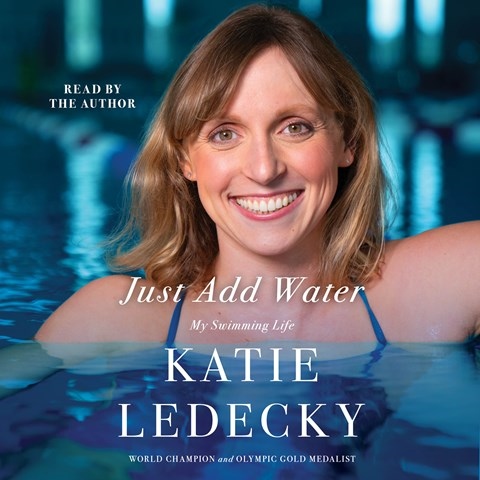
JUST ADD WATER My Swimming Life
by Katie Ledecky | Read by Katie Ledecky
Simon & Schuster Audio
Biography & MemoirOlympic swimming star Katie Ledecky narrates her own work, recounting her time in pools ranging from the East Coast (she grew up in Bethesda, Maryland) to the West (she attended Stanford) and across the globe (she has competed in four Olympics). Her story blends anecdotes about competition and training with personal moments, many of which feature her family. Ledecky is not a... Read More
LET'S GET PHYSICAL How Women Discovered Exercise and Reshaped the World
Earphones Award Winner
by Danielle Friedman | Read by Danielle Friedman
Penguin Audio
Contemporary CultureIt used to be frowned upon for women to exercise, sweat, or build muscle--it was thought unbecoming and even dangerous. Danielle Friedman introduces us to a parade of fascinating trailblazers who championed women's running and bodybuilding, created Jazzercise and Barre, and invented the sports bra and leotards. Her writing is exuberant and humorous. Her narration is joyful and... Read More
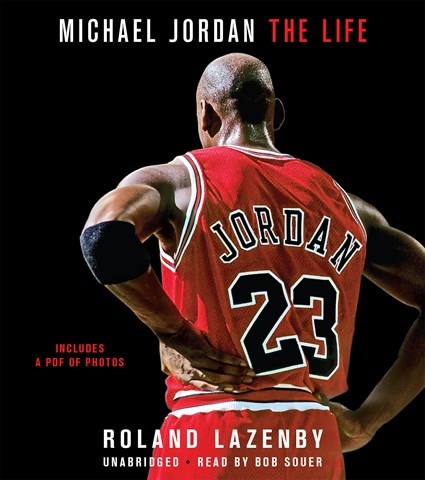
MICHAEL JORDAN The Life
Earphones Award Winner
by Roland Lazenby | Read by Bob Souer
Hachette Audio
Biography & MemoirMichael Jordan’s drive, demons, and pure talent are well documented in this audiobook. The author aptly describes Jordan’s personal and professional lives and analyzes to perfection the very real dichotomy between the affable persona he displayed off the court and the tornado that appeared at practices and games. Narrator Bob Souer uses a staccato rhythm reminiscent of a sports... Read More
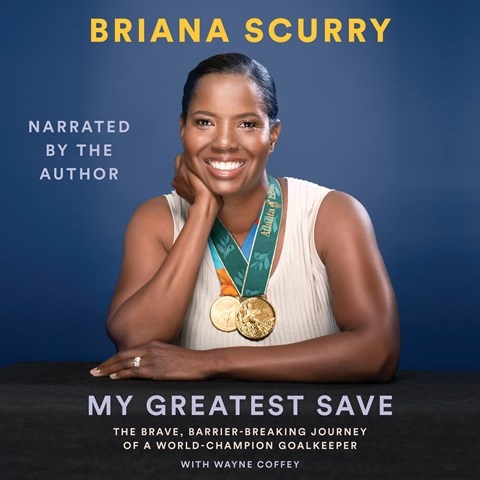
MY GREATEST SAVE The Brave, Barrier-Breaking Journey of a World Champion Goalkeeper
by Briana Scurry, Wayne Coffey | Read by Briana Scurry
OrangeSky Audio
Biography & MemoirNine months before the enactment of Title IX, Briana Scurry was born. She took full advantage of the law that expanded women's sports. This is an audiobook about resilience and courage; Scurry narrates her story with vulnerability and authenticity. She details her journey through childhood, then a full sports scholarship to college, and on to women's soccer. Her 14 years on the... Read More
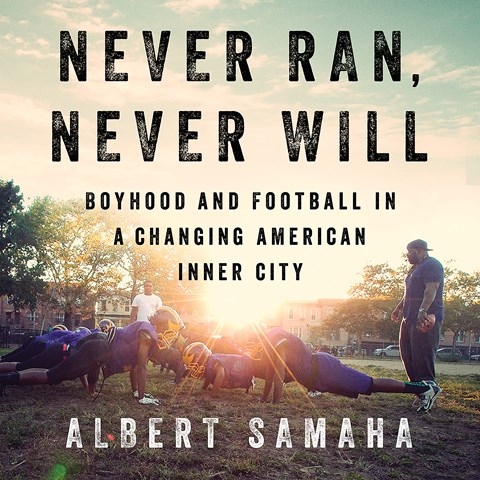
NEVER RAN, NEVER WILL Boyhood and Football in a Changing American Inner City
Earphones Award Winner
by Albert Samaha | Read by Albert Samaha
Hachette Audio
Contemporary CultureAlbert Samaha tackles the narration of his audiobook with the heart and soul of the youth football team he writes about, Mo Better Jaguars. He describes the team as a haven in Brownsville, Brooklyn, a sometimes violent, always dangerous place to live. Samaha follows three of the Mo Better players--Oomz, Gio, and Hart. Their talent is their "golden ticket." With it they can go... Read More
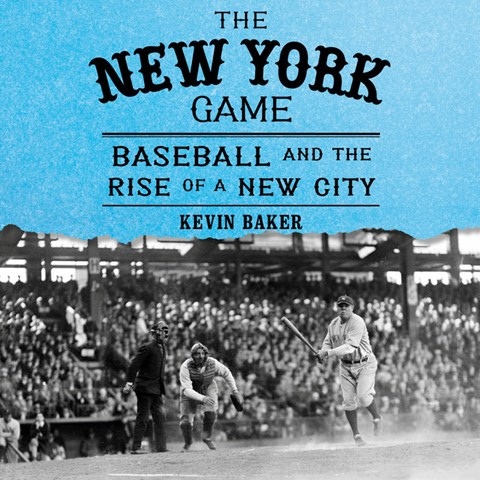
THE NEW YORK GAME Baseball and the Rise of a New City
by Kevin Baker | Read by L.J. Ganser
Random House Audio
HistoryL.J. Ganser narrates this wonderful historical look at the rise of baseball in New York City with his usual interested style. You can tell when Ganser is reading a quotation, but he never imposes a campy tone or a vocal imitation. He sounds involved without being overly animated as he delivers the narrative, which starts in the nineteenth century and moves through... Read More
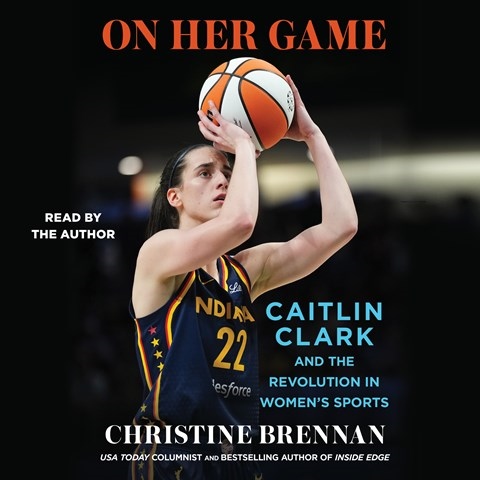
ON HER GAME Caitlin Clark and the Revolution in Women's Sports
by Christine Brennan | Read by Christine Brennan
Simon & Schuster Audio
Biography & MemoirWomen's sports are experiencing increasing popularity, and author/narrator Christine Brennan posits that much of it has to do with the rise of basketball phenom Caitlin Clark. Brennan's clear, sometimes adulatory, prose is matched by her resonant tones and energetic cadence. Brennan recounts Clark's journey from the NCAA playoffs through her rookie year with the Indiana Fever.... Read More
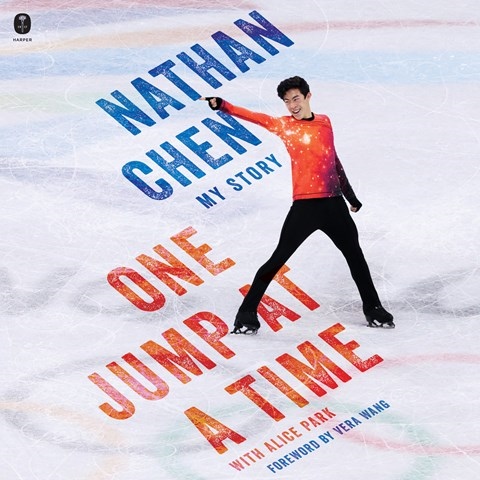
ONE JUMP AT A TIME My Story
by Nathan Chen, Vera Wang [Fore.] | Read by Nathan Chen, Eunice Wong [Fore.]
Harper Audio
Biography & MemoirAuthor/narrator Nathan Chen is the first Asian American to win an Olympic Gold medal in figure skating, which he did at the 2022 Games in Beijing. In a delightful foreword Eunice Wong explains how Vera Wang came to design his costumes. Chen's own delivery is fast and filled with scenes of his childhood and the sacrifices his mother made to secure lessons and coaches for him.... Read More
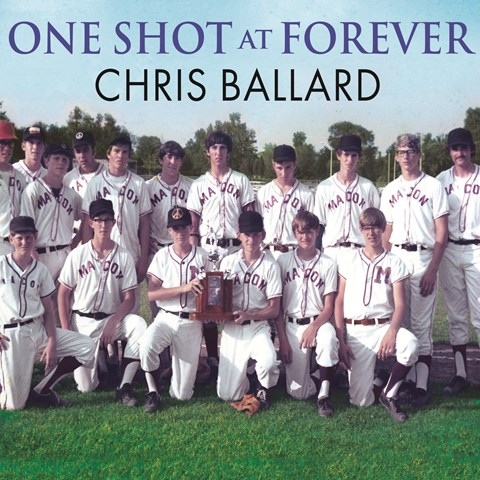
ONE SHOT AT FOREVER A Small Town, an Unlikely Coach, and a Magical Baseball Season
Earphones Award Winner
by Chris Ballard | Read by Mike Chamberlain
Tantor Media
Contemporary CultureWhen you look for chores to do that will allow you to listen to a particular audiobook, you know that title has you hooked. The compelling and charming story of a small-town high school baseball team in 1971 combined with an able and engaging narrator is an unbeatable combination. Mike Chamberlain has an easy tone, and he varies his pitch and pace effectively to match the... Read More

PLAY LIKE A GIRL How a Soccer School in Kenya's Slums Started a Revolution
by Ellie Roscher | Read by Katherine Fenton
Dreamscape
Contemporary CultureNarrator Katherine Fenton performs this audiobook about the Kibera Girls Soccer Academy, a free secondary school in a Kenyan slum. Her narration is earnest and clear, enthusiastic and sensitive as she helps listeners navigate the details of life in a culture that will be foreign to most. Fenton becomes more expressive when she delivers direct quotes from the students, families,... Read More
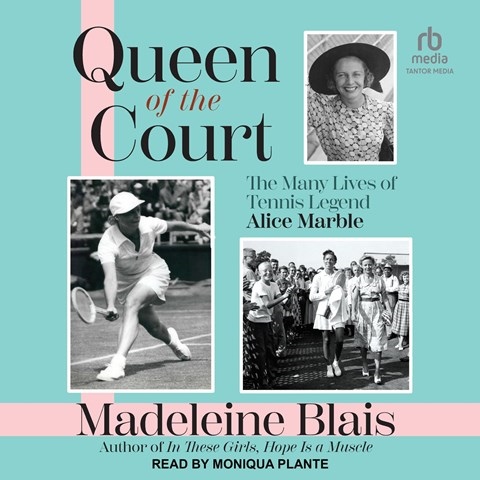
QUEEN OF THE COURT The Many Lives of Tennis Legend Alice Marble
by Madeleine Blais | Read by Moniqua Plante
Tantor Media
Biography & MemoirNarrator Moniqua Plante's clear voice and steady cadence enhance this fascinating examination of tennis legend Alice Marble. Between 1936 and 1940, Marble won 18 Grand Slam championships--even though she'd gained notoriety as a baseball player as a child. Encouraged to play a "lady's game," Marble became known for her pioneering style in power tennis and later coached Billie... Read More
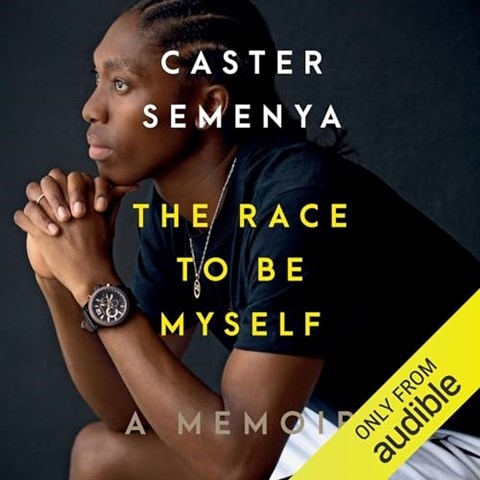
THE RACE TO BE MYSELF A Memoir
Earphones Award Winner
by Caster Semenya | Read by Caster Semenya, Becky Motumo-Molete
Audible, Inc.
Biography & MemoirOlympic medalist Caster Semenya engages listeners with this deeply personal memoir of her experiences amid the ongoing debate over fairness in women's sports. Semenya, who was raised a girl and has always identified as female, has naturally high levels of testosterone, which are known as "differences in sex development (DSD)." She's been forced to undergo invasive and... Read More
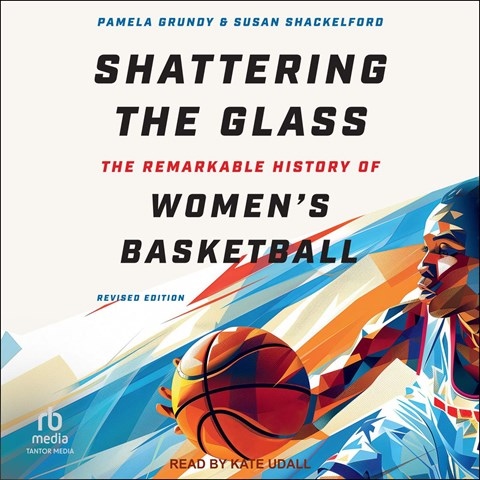
SHATTERING THE GLASS The Remarkable History of Women's Basketball
by Susan Shackelford, Pamela Grundy | Read by Kate Udall
Tantor Media
HistoryKate Udall narrates this updated audiobook, first released in 2005. The focus is the ensuing 20 years of the Women's National Basketball League's (WNBA) growth and challenges. Udall's assured tone and smooth pacing keep listeners anchored throughout this comprehensive must-listen history. Rich with detail, it delves into the nascent sport's initial development at 19th-century... Read More
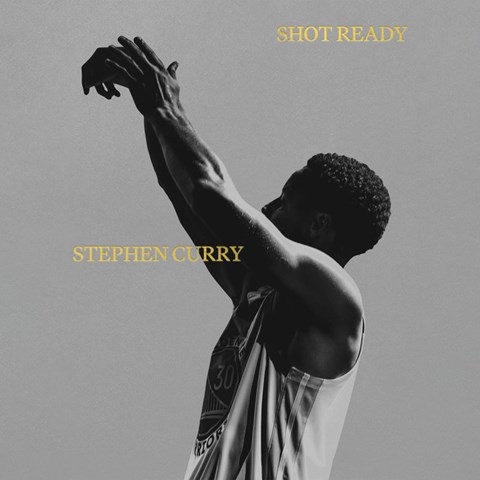
SHOT READY
by Stephen Curry | Read by JD Jackson, Stephen Curry
Random House Audio
Biography & MemoirGolden Voice Narrator JD Jackson, whose tone and style elevate any audiobook, smoothly narrates NBA superstar Stephen Curry's memoir/self-help audiobook. First, the all-time three-point leader himself delivers his prologue, in which he sets forth how he became "shot ready" on the court and in life. Then, in a humble tone that reflects the writing, Jackson captures the... Read More
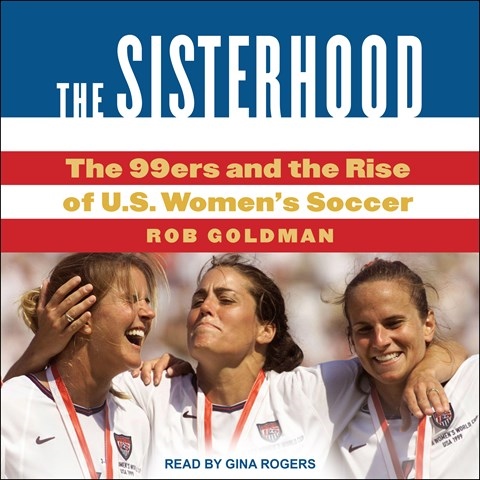
THE SISTERHOOD The 99ers and the Rise of U.S. Women's Soccer
by Rob Goldman | Read by Gina Rogers
Tantor Media
Contemporary CultureNarrator Gina Rogers is outstanding in this engaging listen about the rise of the U.S. Women's National (soccer) Team. The audiobook chronicles the team's evolution since the 1999 World Cup through stories about and interviews with the original trailblazers. Listeners will hear about well-known players like Mia Hamm and Julie Foudy and about players and coaches they may be less... Read More
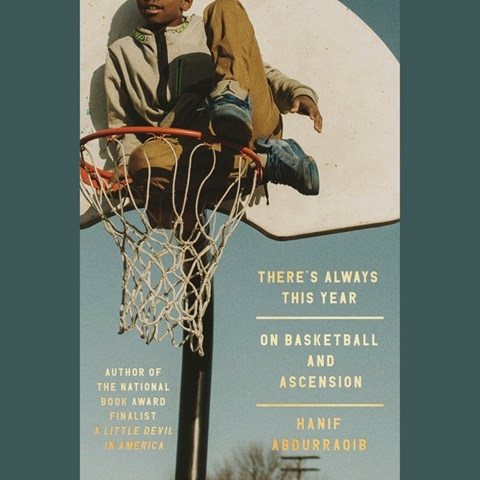

THERE'S ALWAYS THIS YEAR On Basketball and Ascension
Earphones Award Winner
by Hanif Abdurraqib | Read by Hanif Abdurraqib
Random House Audio
Biography & MemoirHanif Abdurraqib’s latest book is a transcendent feat of poetry, memoir, and—well, magic. His narration is as breathless and beautiful as his prose; this book is epic in every sense of the word. It’s an ode to his hometown of Columbus, Ohio; a love letter to basketball; a meditation on home and belonging; and an exploration of faith, Blackness, music, and place. He delivers... Read More
© Copyright 2026 Kirkus Media LLC. All Rights Reserved.